

Local SEO becomes easier to plan when you stop treating “more visibility” as the final objective. A service business needs suitable people to discover the right service, understand whether it fits their situation and take a useful next step.
Local SEO for service businesses connects accurate business information, useful service pages, credible evidence and a reliable enquiry journey. It is especially relevant when location affects the decision: visiting a clinic, arranging an in-person appointment, choosing a nearby provider or confirming whether a mobile service covers an area.
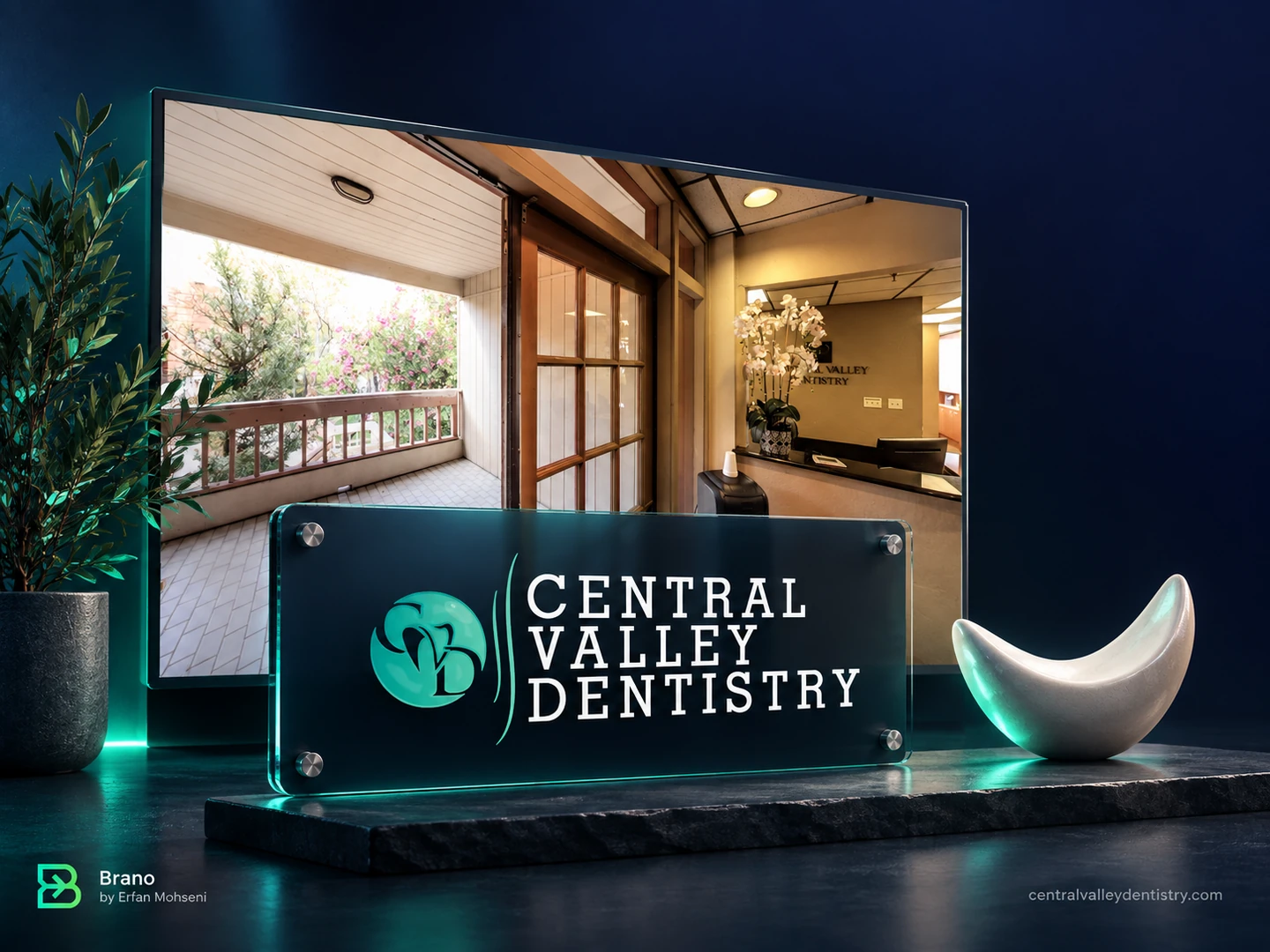
Brano’s portfolio includes Central Valley Dentistry, Kirkland Dental Excellence, Phoenix Ultrasound and BenFit. These businesses do not share one buying journey, but each illustrates why practical service information matters alongside brand presentation. A person should not need a sales conversation simply to discover where or how a service is available.
Understand what local visibility can—and cannot—do
Google describes local results in terms of relevance, distance and prominence in its Business Profile guidance. Accurate information helps Google and customers understand the business. The searcher’s location and the surrounding market also affect what appears.
This means a useful local SEO plan is not a promise to rank first everywhere. It is a programme of improving information, relevance and the customer journey in the places the business genuinely serves.
Separate two connected surfaces in your reporting: your Business Profile in local results and the pages on your website. They can support one another, but a profile action and a website enquiry are not automatically the same event.
Build the service-and-location map first
List your actual services, physical locations and service areas. Then identify the combinations that represent genuinely different customer needs.
For example, an in-person coaching service and online coaching may deserve distinct pages because the delivery and suitability differ. A clinic with multiple real locations may need practical location pages that explain how to visit each one. A company offering the same remote service nationally may not need a page for every city.
Use a planning table:
| Page type | Main question to answer | Useful details |
|---|---|---|
| Service page | Is this the service I need? | Scope, suitability, process and next action |
| Location page | Can I access the service here? | Address, directions, hours and local availability |
| Service-area explanation | Will the provider travel to me? | Actual coverage and booking conditions |
| Supporting article | What should I understand before choosing? | Practical education linked to a relevant service |
Avoid creating combinations simply because they produce more URLs. Each indexable page should have a reason to exist for a real visitor.
Make your Business Profile accurate and usable
If the business is eligible for a Business Profile, use its real-world information and appropriate categories. Keep hours, contact details and the website link current. Check that the destination helps someone continue the action they began in the profile.
Follow Google’s guidelines for representing your business when deciding how to present the business name, address and service area. Do not add invented locations or pack keywords into the business name to make it look more relevant.
Review the profile from a customer’s perspective. Are the photographs useful and current? Can someone understand the available service? Do practical details agree with the website? Inconsistent opening hours are a service problem as well as a marketing problem.
Write service pages that help people decide
A strong local service page explains the service in plain language, who it is suitable for and the next step. It also addresses the practical questions that can prevent an enquiry: delivery format, location, what to prepare and how the process begins.
For a healthcare provider, qualified clinicians should review clinical statements. Marketing content can organise the information and improve access to it without turning broad claims into unsupported treatment promises. For a fitness business, distinguish clearly between an in-person service and an online programme rather than relying on a vague “work with us” page.
BenFit, which appears in Brano’s portfolio, provides a useful context for thinking about different delivery formats. A local training enquiry and an online coaching enquiry should lead to the information relevant to that format.
Use headings that answer real questions. “How appointments work” is more useful than several sections that repeat the city and service name without adding information.
Create location pages with actual local value
If a location page only changes the city name in otherwise identical copy, ask what the visitor gains from it. A useful page might explain the specific location, available services, team, travel information and booking route.
For a business with several offices, keep addresses and location-specific details correct. For a mobile provider, explain the area served without implying that every service-area city contains a physical office.
Link location pages to the relevant services and vice versa. A visitor arriving on a location page should be able to find the service they need. A visitor arriving on a service page should be able to confirm where it is available.
Use proof at the point of uncertainty
Real team information, appropriate professional credentials, relevant customer feedback and a clear process help visitors understand the business. Place evidence where it answers the nearby question.
Handle testimonials with care: preserve their meaning and the context in which they were given. A general compliment should not be presented as evidence for an unrelated outcome. Ask for feedback consistently rather than only approaching customers you expect to be positive.
Google’s local-ranking guidance also discusses reviews and responses. From a customer-experience perspective, responses are an opportunity to be helpful and professional. In sensitive service categories, avoid exposing personal details in public replies.
Connect articles to services instead of publishing in isolation
Supporting articles should answer questions that come before a relevant enquiry. They should not simply target any phrase with a location attached.
For example, a service business might explain how to prepare for an initial consultation, compare two delivery formats or describe the questions to ask a provider. Each article can then link to the service that answers the next practical need.
Build a small, connected collection before expanding. Our SEO content strategy guide shows how to map buyer questions to pages without creating several articles that compete for the same intent.
Measure local SEO beyond a ranking screenshot
Use a balanced set of observations:
- Relevant search impressions and clicks to service and location pages.
- Useful Business Profile actions, interpreted according to what each metric records.
- Successful enquiries or completed booking steps.
- The proportion of enquiries that fit the service and location.
- Repeated questions that suggest missing information.
Record a baseline before changing several pages. When traffic is small, inspect the actual enquiries and customer conversations alongside the numbers. A single position check from your own device cannot represent every searcher’s experience.
For the website journey, distinguish a phone-link click from a connected call and an appointment request from an attended appointment. The lead generation audit checklist explains how to keep these stages separate.
A practical first-month sequence
Begin by correcting inaccurate business information and repairing broken contact routes. Next, improve one priority service page and its relevant location information. Then connect a small number of genuinely useful supporting articles. Finally, review the resulting enquiry quality and decide what to improve next.
This sequence keeps the work close to customer needs. You can expand coverage once the first service journey is clear and measurable, instead of producing a large collection of weak pages at once.
Frequently asked questions
Does every service business need city pages?
No. Create them when a real location or meaningful difference in delivery makes the page useful. Service-area coverage alone does not justify an unlimited set of near-identical pages.
Is a Business Profile enough without a good website?
A profile can support discovery, but visitors may still need detailed service information and a reliable next step. The website and profile should work together as parts of the same customer journey.
Can local SEO work for a business offering both online and in-person services?
Yes, but the pages should distinguish the formats clearly. Local information belongs where location affects delivery; online offers need their own relevant explanation and search strategy.
Explore Brano’s SEO and content services or use the free Brand Signal Audit to identify a messaging weakness before expanding visibility.